Pillar 1
Physical AI
From seeing to doing
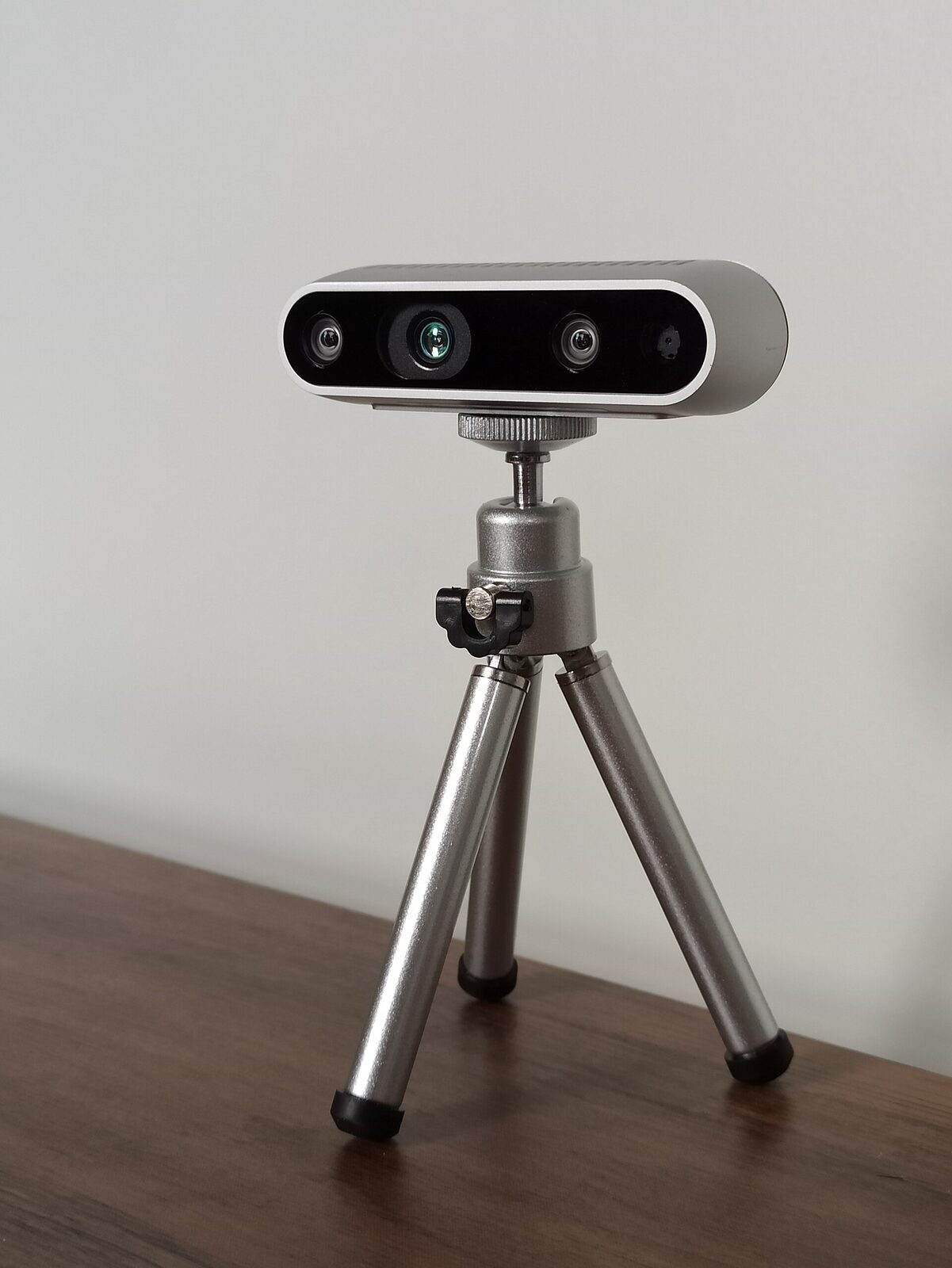
Physical AI is the step from a model that labels an image to a machine that can act. The Lab works on collaborative and autonomous robots, on large vision models, and on fusing camera, LiDAR, depth, thermal and event sensing into a 3D picture that is current enough to use.
Where a round trip to a data centre is too slow, the model has to run on the hardware in the room: edge devices, NPUs and FPGAs. Prediction is not the end of the pipeline. A useful system adjusts the operation so that the failure it can see coming does not happen.
Themes
- Vision–language–action models — robot policies driven by foundation models rather than a script for every case.
- 3D perception and sensor fusion — LiDAR, depth, thermal and event cameras; SLAM and pose estimation.
- Sim-to-real reinforcement learning — train where it is safe to fail, deploy where the work is.
- Collaborative-robot safety — force control, speed-and-separation monitoring, digital twins.
- Edge AI engineering — quantisation, pruning and distillation, then deployment to NPU and FPGA.
- Prescriptive operations — from forecasting a failure to correcting for it.
- Autonomous mobile robots — fleet navigation, docking and safe movement in shared spaces.